
HOME
PRODUCTS
Non woven geotextile
Woven geotextile
Geomembrane
Geogrid
Geocell
Geobag
Geomat
Geonet
Drainage Board
Geocomposite
Geosynthetics Clay Liner(GCL)
Cement Blanket
ABOUT US
APPLICATIONS
BLOG
CONTACT
Email : taiwei@cngeosynthetics.com
Request a Quote
Language
English
Русский
Español
Dec 29,2025
China Top GCL Bentonite Waterproof Blanket Manufacturer TW: Examining Sealing Technology for Landfill Liners
As environmental regulations tighten, the demand for advanced hydraulic barriers that prevent leachate from contaminating groundwater has surged. The global push toward sustainable waste management has placed a significant focus on the integrity of landfill containment systems. Central to this evolution is the role of China Top GCL Bentonite Waterproof Blanket Manufacturers, which provides the critical engineering components required for long-term ecological safety. A GCL bentonite waterproof blanket is a high-performance composite material consisting of a layer of natural sodium bentonite clay encapsulated between two layers of needle-punched geotextiles. These liners are engineered to swell upon contact with moisture, forming a dense, low-permeability gel barrier that is significantly more effective and easier to install than traditional compacted clay liners.
Professional Polyester Geotextile Manufacturer - TW Geosynthetics Aligned with Geotechnical Frontiers 2025
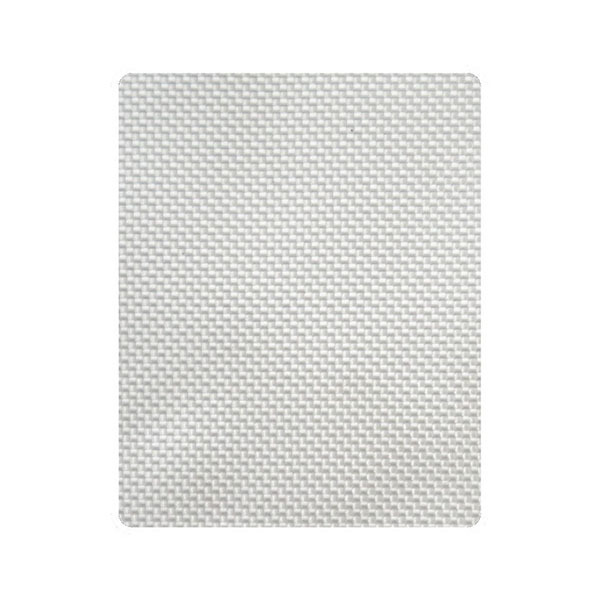
When engineers were tasked with stabilizing the soft soil foundations for a high-speed rail expansion in a coastal region, the primary challenge was preventing the intermixing of expensive aggregate with the underlying saturated clay. By deploying high-performance materials from a professional Polyester Geotextile Manufacturer, the project team can successfully create a permanent separation and filtration barrier that ensure structural integrity under heavy cyclic loading. China's dominance in this sector stems from its integrated supply chain and massive investment in synthetic polymer research, allowing for the mass production of specialized fabrics that balance high tensile strength with precise permeability.
TW Geosynthetics: The Premier High Strength Biaxial Geogrid Supplier In China for Infrastructure Projects
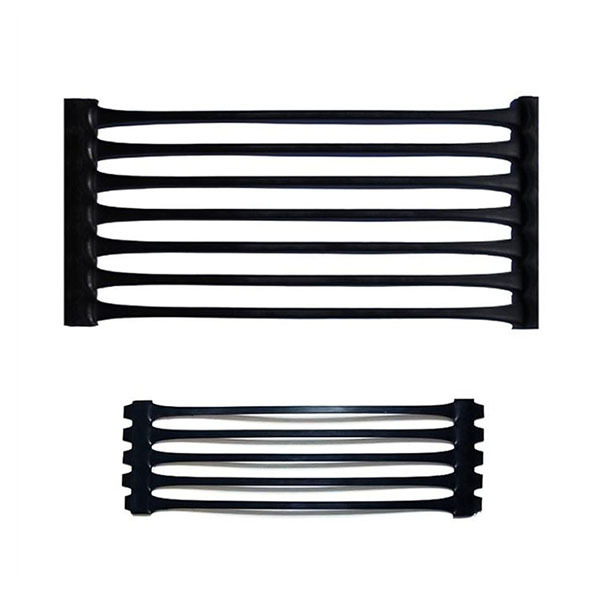
The global infrastructure sector faces a persistent challenge: ensuring long-term stability in diverse soil conditions. To address this, engineers increasingly rely on advanced reinforcement materials. Shandong Taiwei Engineering Materials Co., Ltd. (TW Geosynthetics) has established itself as The Premier High Strength Biaxial Geogrid Supplier by focusing on material durability and structural integrity. A biaxial geogrid is a geosynthetic material made from polymers like polypropylene, featuring a grid-like structure with consistent strength in both longitudinal and transverse directions. This unique design allows the grid to lock soil particles in place, creating a stable composite layer that resists heavy loads. By integrating these high-performance materials into project designs, developers can significantly extend the lifespan of roads, railways, and embankments.
TW Geosynthetics: China Top HDPE Geomembrane Liner Industry Leader Maintain Quality for Environmental Protection
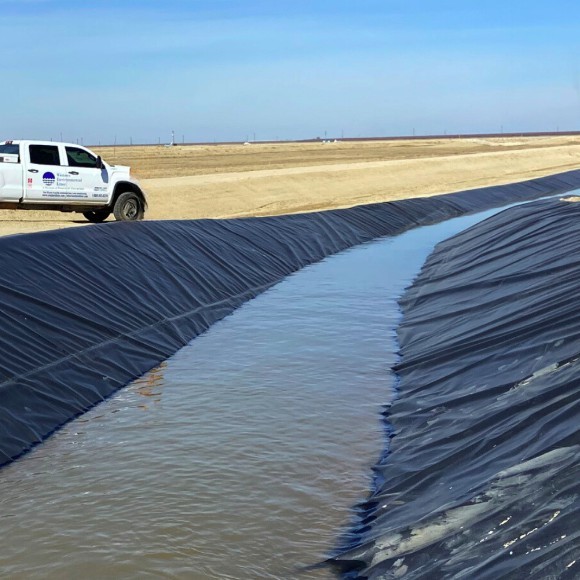
The geosynthetics industry is currently witnessing a transformative phase driven by rapid urbanization and the global transition toward a circular economy. Historically, liners were viewed as simple barriers; however, today’s industry trends prioritize long-term molecular stability and resistance to oxidative induction. The shift is particularly evident in large-scale infrastructure projects across Asia and the Middle East, where extreme temperatures and harsh chemical environments demand materials that exceed standard specifications.
China Top 10 High Quality PET Geotextile Exporter TW at EuroGeo 8: Market Trends and Future Focus
The structural integrity of large-scale infrastructure projects—ranging from high-speed railway embankments to complex coastal defense systems—now relies heavily on the integration of advanced synthetic materials. As modern engineering moves toward more resilient and cost-effective designs, the demand for high-performance stabilization layers has surged.